Estimated reading time: 5 minutes
If you’ve ever wondered what the difference is between a keffiyeh, shemagh, and ghutra, you’re not alone. These terms are often used interchangeably, especially online, but they are not the same.
While all three are traditional scarves worn across the Arab world, they differ in origin, design, how they’re worn, and how they’re styled today.
This guide breaks it down clearly so you know exactly what you’re buying and how to wear it.
| Feature | Keffiyeh | Shemagh | Ghutra |
|---|---|---|---|
| Primary Origin | Levant / Palestine | Gulf, Yemen, Iraq | Gulf (Saudi, UAE, Qatar) |
| Pattern | Iconic woven patterns (often black & white) | Bold or traditional patterns | Plain (usually white) |
| Fabric | Cotton | Cotton or cotton blend | Lightweight cotton |
| Shape | Square | Square | Square |
| Common Styling | Neck, shoulders, head | Neck, shoulders, head | Head (with agal) |
| UK Popularity | Very high | Very high | Lower |
| Modern UK Use | Daily wear, prayer, fashion | Daily wear, fashion, events | Mostly traditional/formal |
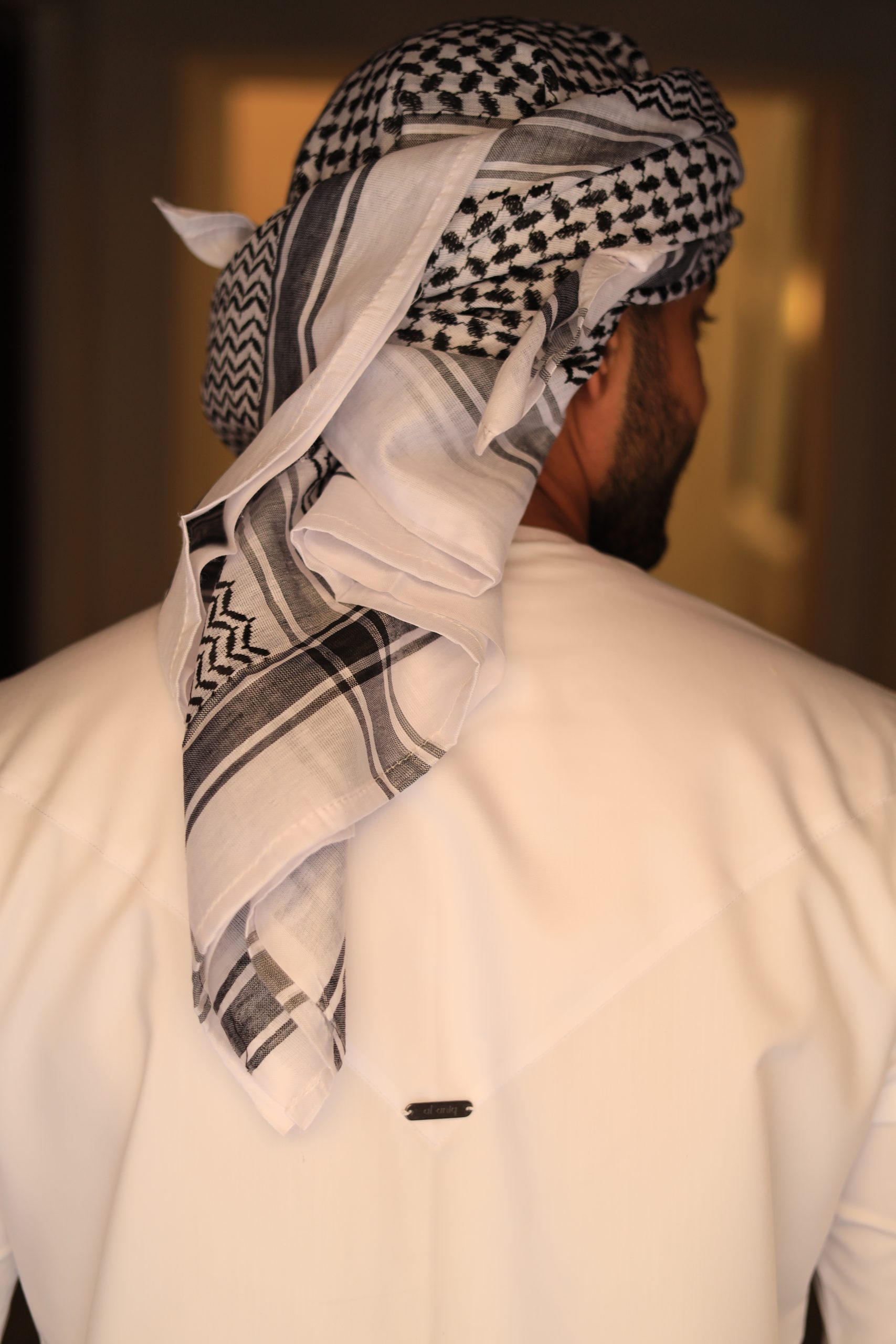
A keffiyeh (also known as kufiya) is a square scarf traditionally associated with the Levant, most famously Palestine. It is known for its distinctive woven patterns, particularly the classic black and white design.
Keffiyehs are versatile, understated, and easy to incorporate into modern wardrobes.
A shemagh is similar in shape to a keffiyeh but is more commonly associated with the Gulf region, Yemen, and Iraq. While it also features woven patterns, shemaghs often have bolder designs or colour variations.
Many UK customers prefer shemaghs because they sit well, hold shape, are easy to style and elevate an outfit without effort.
A ghutra is a plain, usually white, square headscarf most commonly worn in the Gulf, particularly Saudi Arabia, UAE, and Qatar.
While ghutras are elegant and traditional, they serve a different purpose to keffiyehs and shemaghs in everyday UK wear.
In the UK, keffiyehs and shemaghs are styled more practically and casually than in their regions of origin.
Common UK styling includes:
Most UK customers choose:
Ghutras remain more niche outside of traditional settings.
If you’re unsure, ask yourself:
For most UK buyers:
No matter which you choose, quality comes down to:
Al Aniq curates keffiyehs and shemaghs specifically chosen for UK wear, focusing on:
They are similar in shape but differ in origin, pattern, and styling. Keffiyehs are traditionally associated with the Levant, while shemaghs are more common in the Gulf and Yemen.
Yes. In modern UK wear, both are styled in similar ways — around the neck or over the shoulders.
Ghutras are typically worn for formal or cultural occasions rather than daily styling in the UK.
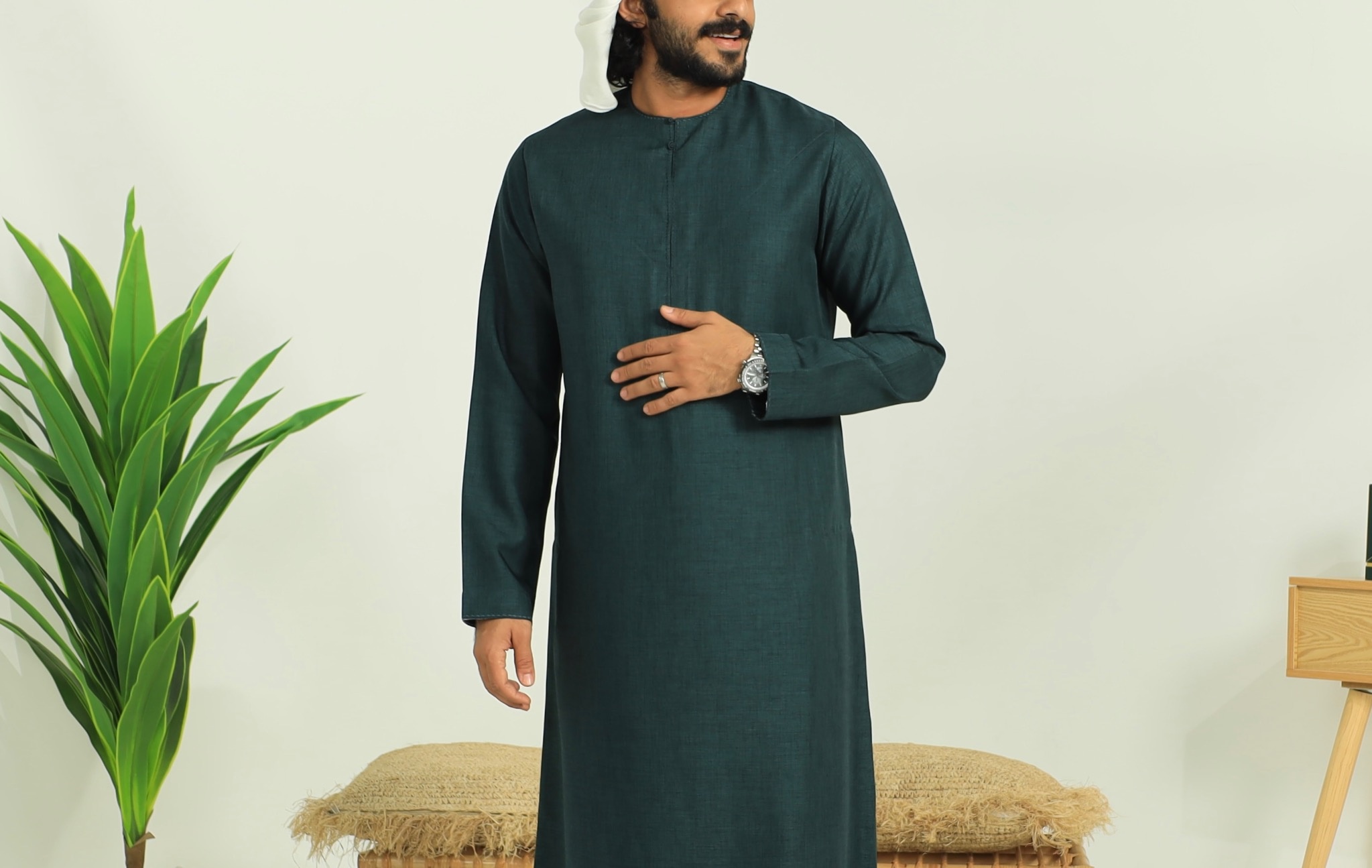
Both work well, but many prefer shemaghs for their structure and drape when worn with a thobe.
Understanding the difference between a keffiyeh, shemagh, and ghutra helps you choose the right piece for your lifestyle, wardrobe, and occasions.
While they share similarities, each has its own purpose, history, and modern use, especially in the UK.
Choose based on how you’ll wear it, not just the name.
Share this post with your friends